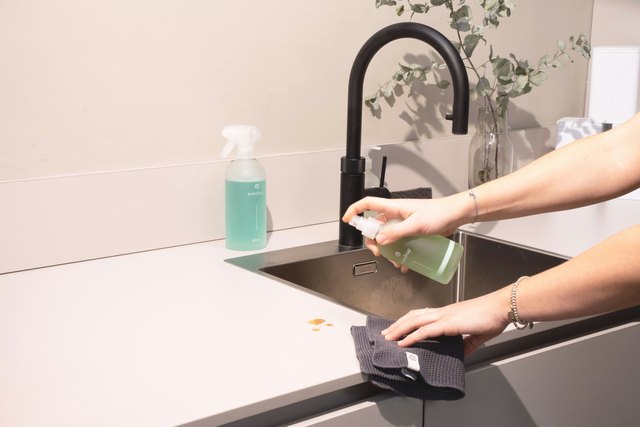
How to clean kitchen cabinets: doors, interiors and grease
Kitchen cabinets need more than a quick pass over the handles when grease collects around the cooker or crumbs build up inside drawers. Start by deciding which job you are doing: the outside fronts, the empty interiors, or both. This guide explains the order, the preparation and where to stop if the finish needs special care.
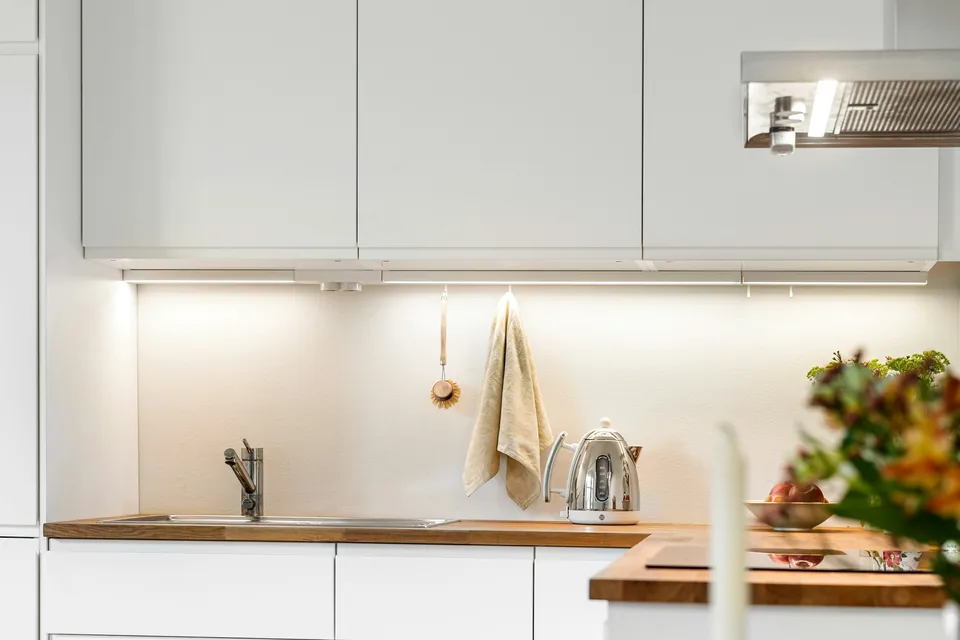
What does cleaning kitchen cabinets include?
Treat cabinet fronts, interior surfaces and moving the contents as three separate jobs. That makes both a DIY plan and a cleaning quote easier to understand.
| Task | What you are cleaning or moving | How to prepare |
|---|---|---|
| Doors and handles | Reachable exterior fronts, edges and handles. | Clear the nearby worktop and point out delicate finishes or loose hardware. |
| Inside cabinets and drawers | Accessible shelves, drawer bases and door interiors. | Empty the selected spaces unless handling has been arranged. |
| Emptying and repacking | Moving everyday contents out and returning them after cleaning. | Provide a clear nearby surface; secure valuables and fragile items yourself. |
A tidy cupboard can still have sticky handles; a clean door does not tell you whether its shelves have been wiped. Check each task separately when making your list. For the rest of the room, use the room-by-room Deep cleaning checklist.
How do you choose a safe method for the cabinet finish?
Find the care instructions for the exact cabinet front and interior material. If the finish is unknown, damaged or recently refinished, check with the supplier or installer before wet cleaning.
The outside and inside of a cupboard may be made from different materials. Check labels, installation paperwork or the manufacturer’s website. Look around the sink, dishwasher and lower door edges for lifting film, swelling, cracks or bare wood before you begin.
| Surface | Care to check | Stop or change the plan if |
|---|---|---|
| Finished wood, veneer or painted fronts | A clean soft cloth, an approved mild cleaner and prompt drying. | The finish comes off on the cloth, changes sheen or has exposed areas. |
| Laminate or foil-wrapped fronts | The product approved for that front; keep seams and edges from staying wet. | An edge is lifting, the backing is swollen or liquid could enter a damaged seam. |
| High-gloss or acrylic fronts | The maker’s cloth and wiping instructions. Some acrylic finishes should not be wiped dry. | The cloth drags grit across the finish or visible fine scratches appear. |
| Glass inserts and decorative hardware | Separate care instructions for the glass, coating and metal finish. | Cleaner could run into the door joint or onto a finish it is not approved for. |
KraftMaid Full Access’s material-specific guidance distinguishes wood and veneer from foil, gloss and acrylic fronts. Its acrylic advice is a useful reminder that one technique does not suit every cabinet. IKEA’s kitchen-front guidance recommends gentle cleaning and avoiding strong abrasive products. These are examples; your own cabinet instructions control the method.
How do you clean kitchen cabinet doors step by step?
Work on one door or small section at a time so you can control moisture and see how the finish responds.
- Clear and inspect. Move food and loose items away from the work area. Note any chips, loose handles or pre-existing damage.
- Remove loose debris gently. Use the cloth or attachment permitted for the finish. Do not drag gritty dust across a glossy surface.
- Test the approved cleaner. Follow its dilution and application directions on an inconspicuous area. Check the result after it dries before continuing.
- Wipe the door and edges. Use a clean soft cloth with controlled moisture. Pay attention to the area around handles, without flooding joints or hinges.
- Remove residue and dry. Follow the cleaner’s instructions, using a separate cloth where appropriate. Change dirty cloths instead of spreading the same grease.
- Inspect before moving on. Check the dry surface in the light. If a mark persists, reassess it before repeating the treatment or choosing a stronger product.
KraftMaid’s cabinet-care advice emphasises gentle cleaning, drying and avoiding abrasive cleaners and persistent moisture. Keep wet towels off cabinet doors, particularly around the sink. Do not use a kitchen dishcloth that is already carrying food grease.
Health Canada advises following household-product labels, using the specified protection and never mixing cleaning chemicals. Store products in their original containers, away from children and pets. Keep food and utensils clear of the cleaning area.
How do you remove grease from kitchen cabinets?
Use a cleaner approved for the cabinet finish, rather than assuming an oven cleaner or heavy-duty degreaser is suitable.
Start with the handles, the door nearest the cooking area and the upper edge of a lower drawer. Work a small test area, then check whether the residue has actually lifted once the surface is dry. A fresh cloth helps distinguish remaining grease from cleaner residue you have spread around.
Follow the permitted product’s contact time and residue-removal directions. Do not soak a seam to loosen a stubborn patch or keep scrubbing after the sheen starts changing. A worn coating can feel tacky too; if the condition is unclear, stop and ask the cabinet maker for advice.
Do not treat vinegar, baking-soda paste, abrasive sponges or steam as universal cabinet-cleaning methods. Compatibility depends on the finish. Cleaning the cupboard next to the cooker is also different from cleaning the extractor or an appliance interior; plan those jobs separately.
How do you clean inside kitchen cabinets and drawers?
Empty one manageable area, clean the accessible surfaces and let them dry before returning the contents.
Set up a clear, stable worktop or nearby table. Keep the contents of each cupboard together so you can return them without turning the clean into a full reorganisation. Put delicate glassware, sharp items, documents and valuables somewhere secure before anyone starts moving things.
Lift out crumbs using a method suitable for the shelf or drawer lining. Wipe the accessible base, sides and door interior with the approved product, taking care around shelf edges and fittings. Remove loose liners only if they are intended to lift out; discuss stuck adhesive liners before pulling them away.
Clean removable inserts according to their own instructions. Do not dismantle hinges, runners, lighting or fitted accessories as part of a routine wipe. Under the sink, work around accessible plumbing and check for leaks rather than concealing water damage with a clean liner.
Once the surfaces are dry and ready for use according to the product label, return clean, dry contents. Decide separately what food to keep or discard. A cleaner should not have to guess whether an unlabelled container, paperwork or a sentimental item belongs in the bin.
If you have just received the keys to an empty property, cleaning before unpacking is easier to organise. The move-in cleaning checklist helps sequence cabinet interiors with bathrooms, appliances and floors.
What should you do before Heron cleans the cabinets?
Choose cabinet-interior cleaning and decide whether you will empty the cupboards yourself or book emptying and repacking as an additional service.
Cabinet fronts: cupboard fronts are part of the selected Kitchen add-on. Cabinet interiors: inside shelves, drawer bases and door interiors are a separate selection. Choosing Deep cleaning does not automatically add them.
If you empty them yourself: have the selected cabinets and drawers ready before the visit. Without the handling add-on, items left inside are wiped around rather than moved out, and the booked cabinet-cleaning charge still applies.
If you book emptying and repacking: leave everyday contents in place, clear counters or a nearby surface, and put away valuables and fragile items. Heron returns the contents to their original positions once the cleaned shelves are dry. This covers the main kitchen; an additional kitchen needs a separately agreed scope.
Handling does not include dishwashing, decluttering, reorganising or packing belongings into moving boxes. Explain any unusual contents, inaccessible cupboards or damaged finishes before booking. Review the current add-ons and booking terms so the appointment matches the work you want.
For a first-time general house clean, Heron starts with Deep cleaning. Basic is for eligible repeat visits. Moving or construction dust calls for the corresponding service and its own agreed scope.
What does cabinet cleaning add to a Heron quote?
Cabinet-interior cleaning and emptying/repacking appear as separate lines. Handling is calculated from the home size, not from a guessed number of cupboards.
This illustrative quote is for a one-bedroom house, 750 sq ft, one Deep visit, one full bathroom and the main kitchen, with inside-cabinet cleaning and emptying/repacking selected. It is a complete home-cleaning example, not a standalone cabinet-cleaning price.
| Selected work | Amount |
|---|---|
| Basic Cleaning | $89 |
| Deep Cleaning upgrade | $65 |
| Full bathroom (1 × $22) | $22 |
| Kitchen | $50 |
| Inside kitchen cabinets | $32 |
| Cabinet emptying and repacking | $54 |
| Subtotal | $312 |
| HST (13%) | $40.56 |
| Total | $352.56 |
If you prepare empty cabinets yourself, the same selected Deep clean with cabinet interiors, without handling, is $258 before HST; $291.54 including HST. The calculator recalculates handling when the home size changes.
Neither example includes oven or fridge interiors, windows, blinds, a basement, garage or other optional extras. Select your actual rooms and conditions in the cleaning calculator; an online quote does not reserve an appointment.
What belongs on your cabinet cleaning checklist?
Use this short list to prepare the work area, clean the agreed surfaces and put the contents back only when the cupboards are ready.
Kitchen cabinet cleaning questions
Can I clean every cabinet with vinegar?
No. A recipe suitable for one surface may damage another finish or nearby material. Use the cabinet maker’s recommended product and method, and never mix household cleaning products.
Should I spray cleaner directly onto cabinet doors?
Follow the product and cabinet instructions. Applying an approved cleaner to a cloth can help control overspray and moisture where that method is permitted. Avoid letting liquid collect at seams, hinges or electrical fittings.
Why do my cabinet doors still feel sticky after cleaning?
The cause may be remaining grease, cleaning-product residue or a deteriorating finish. Check a small dry area before repeating the treatment. If the finish changes or the stickiness persists, ask the cabinet manufacturer rather than escalating to a stronger chemical.
Do I need to empty cabinets before the cleaner arrives?
Yes for the cabinet-interior add-on, unless you also book emptying and repacking. Without handling, contents left inside are wiped around, not moved out, and the booked cabinet-cleaning charge still applies.
Does Deep cleaning include the inside of kitchen cabinets?
No. Select cabinet interiors separately. The chosen Kitchen add-on includes cupboard fronts; inside cabinets and emptying/repacking are separate selections. See the current add-on list.
Will Heron reorganise my cupboards or wash the dishes?
Cabinet emptying and repacking returns everyday contents to their original positions after cleaning. It does not include dishwashing, decluttering, reorganising or packing moving boxes. Secure valuables and fragile items before the visit.
Can cleaning fix swollen panels, peeling doors or scratches?
Cleaning does not repair those defects. Point them out before work begins and get the cabinet supplier’s advice where needed. Stop cleaning if a finish lifts, changes sheen or transfers to the cloth.
How often should kitchen cabinet interiors be cleaned?
Use their condition and household use to set the timing. Deal with spills promptly, check busy drawers and food-storage areas, and plan an interior clean when shelves can be cleared. A fixed monthly schedule is not necessary for every cupboard.
Getting help with your cleaning
Tell us whether you want cupboard fronts, cabinet interiors or help moving the contents. Share the cabinet finish and any concerns, then confirm the selected tasks and preparation before the visit.
Heron serves Oakville, Burlington, Milton, Mississauga and all of Halton Hills, including Georgetown and Acton, plus Brampton and Hamilton. Choose your rooms and tasks in the cleaning quote calculator, then call 289-813-7484 to confirm the work and appointment. An online quote does not reserve a time.
Sources
Manufacturer and safety guidance checked October 28, 2026. The task sequence and preparation checklist are Heron’s practical guidance. Your cabinet maker’s instructions and the cleaning-product label take priority.
- KraftMaid: Dos and Don’ts of Kitchen Cabinet Cleaning and Care
- KraftMaid Full Access: care for wood, veneer, thermofoil, gloss and acrylic cabinets
- IKEA: How do I clean kitchen fronts?
- Health Canada: Use household chemicals safely
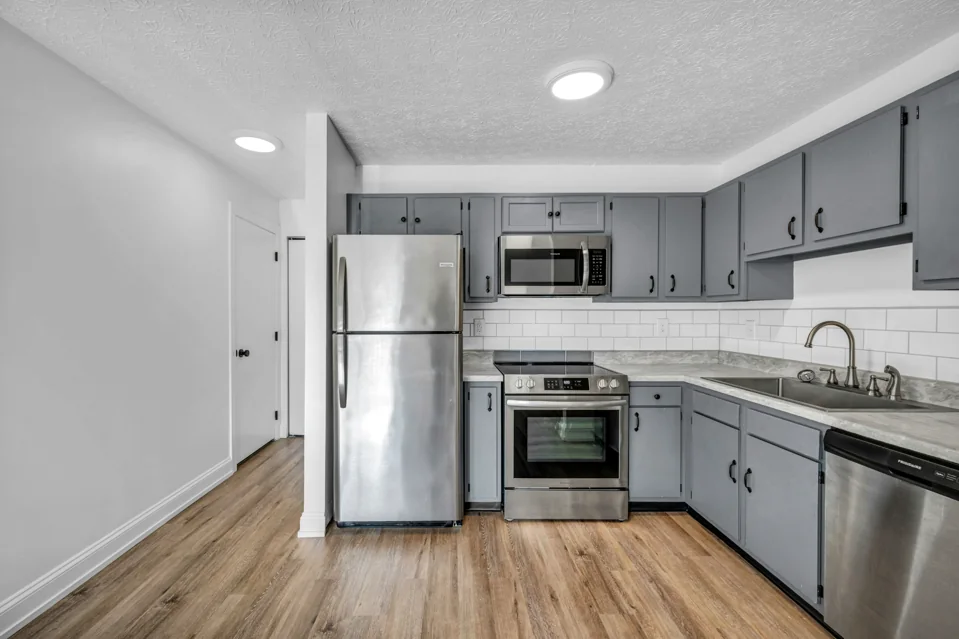
- Alex Tyson on Unsplash: white kitchen cabinets and wooden surfaces · Unsplash License. Stock photograph, not a Heron project.
- Heron Cleaning: rate card 2026-11-11, selected add-ons and booking terms.