How to clean a washing machine: drum, drawer and seal
A detailed washer-cleaning plan for the drum, drawer and door seal, with product choices, tablet safety, smell troubleshooting and a maintenance checklist.
What should you do before cleaning a washing machine?
Empty it, identify the model and plan the separate tasks before starting a cleaning cycle.
A fresh-looking drum can still leave a dirty dispenser or residue inside the door fold. Start by making a small checklist: drum, drawer, door or lid, seal where fitted, and cabinet exterior. Mark any leak, error message or standing water separately so it does not get mistaken for an ordinary cleaning task.
Find the model number and open its care instructions. Identify the maintenance programme, whether it needs an additive and which parts are removable. Set aside clean cloths, a soft brush permitted for the dispenser, a bowl for removable parts and towels to protect the surrounding floor. Keep laundry out of the machine.
Front-loader or top-loader?
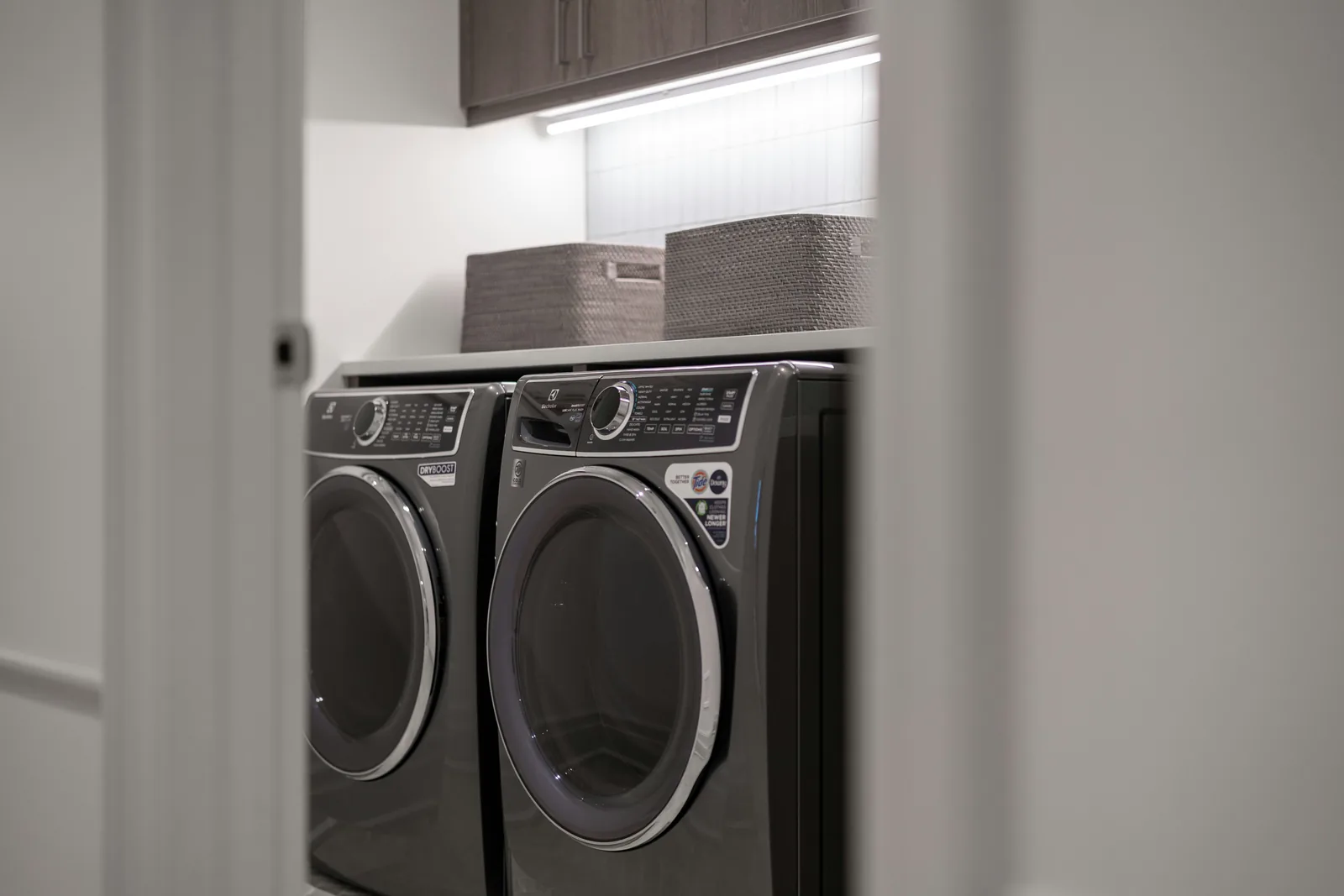
On a front-loader, include the accessible rubber door fold in your inspection. On a top-loader, look at the lid, rim and dispenser areas described in the manual. Do not remove an agitator, pull out a seal or pry off a panel just because an online demonstration shows a different model.
Turn the machine off for manual wiping and follow its instructions for disconnecting power. Reconnect only when everything is correctly refitted and it is time to run the prescribed cycle. Keep hands, tools and loose cloths out of a running appliance.
Which products should you use, and can washer cleaners be harmful?
Use a washer-approved cleaner only where the appliance instructions call for one; treat the concentrated product as a chemical, even if it carries a certification.
Swipe or scroll to see all columns →
| Product or tool | Suitable role | Check before use |
|---|---|---|
| Soft cloth and the manual’s permitted mild cleaner | Reachable exterior surfaces and specified removable parts. | A cleaner for the cabinet is not automatically suitable inside the drum. |
| Affresh Washing Machine Cleaner tablets | An example of a dedicated tub-cleaning product for compatible machines. | Run without clothes; follow your model and the packet for dose, placement and cycle. |
| The machine’s self-clean programme | Some programmes clean without an added chemical. | Do not add a tablet, bleach or detergent unless the model instructions allow it. |
| Laundry detergent | Washing laundry at its prescribed dose. | It is not interchangeable with a maintenance tablet; extra detergent is not a stronger tub clean. |
Samsung’s care guide distinguishes manual cleaning from its Self Clean programme. Whirlpool’s instructions describe compatible maintenance cycles and cleaners. These differences are why a universal vinegar, bleach or tablet recipe is unreliable.
A concrete safety example
The Affresh tablet safety sheet lists harm if swallowed and eye irritation. It advises avoiding direct tablet contact and dust, using the specified protective equipment and washing hands after handling. Its storage and incompatibility instructions matter as well as the cleaning directions. Check that the sheet matches the product code on your packet; this example is not a claim that Heron uses this brand.
For any cleaner, read the label before opening it. Keep products in their original packaging, away from children and pets, and never combine cleaners. Health Canada explains household chemical precautions.
When a manufacturer supplies an SDS, check the product identity, hazards, handling and first-aid sections. CCOHS explains what those sections mean. A tablet intended for a machine is not safe to swallow or handle casually because it is sold for household use.
How do you clean the drawer, seal and drum thoroughly?
Work through the reachable parts, complete the prescribed empty cleaning cycle, then inspect the machine again.
1. Inspect before you wipe
With the appliance stopped, look at the dispenser, door edge and visible drum. Note loose items, caked residue and any damaged rubber. Take a reference photo if you want to compare the result or explain a persistent problem to a technician. Do not reach into inaccessible openings.
2. Clean the dispenser separately
If the manual provides a release mechanism, use it to remove the drawer. Otherwise clean only the accessible surfaces in place. Work over a bowl or towel, paying attention to corners and the underside of removable inserts. Rinse and dry as the model directs, and refit each component in its original position. Do not force a stuck insert or assume it can go in the dishwasher.
3. Attend to the door and accessible seal
Samsung describes removing reachable debris and wiping the door gasket, then drying it. Use the allowed method for your machine and work gently around the accessible fold. Check the cloth as you go; use a fresh face when it becomes dirty. A torn, detached or persistently leaking seal needs service. Scrubbing harder cannot repair it.
4. Run the correct empty cycle
Check that the drum is empty and the drawer is properly installed. Select the named cleaning programme and use only its permitted additive, if any. Let it finish. Note whether it completed normally rather than assuming that starting a hot wash proves the machine was cleaned. Follow the product and appliance directions for any remaining residue or additional rinse.
5. Finish the cabinet and check the result
Use a separate clean cloth for the exterior. Avoid spraying controls or openings, and dry the allowed surfaces. Recheck the drawer and seal under good light. Look for remaining visible residue, correct drawer seating, normal drainage and any new leak or code. Keep the date and the product name with the appliance instructions.
The linked Samsung and Whirlpool guides give the model-dependent part-care details. Use this sequence as a checklist alongside them.
Should you open the pump filter?
Only if your exact manual identifies a user-serviceable filter and you can follow its full draining, cooling and power-isolation procedure. Water may escape and may be hot. Prepare the specified collection container and towels; stop if the access panel or cap does not move as instructed. Filter access is not the same on every washer.
Why does the washing machine still smell after cleaning?
Separate leftover accessible residue from a drainage or appliance fault before repeating the treatment.
Swipe or scroll to see all columns →
| Observation | Useful check | Next step |
|---|---|---|
| Drawer still has residue | Was it actually removed or wiped, and are the inserts correctly seated? | Repeat only the permitted part-cleaning method. |
| Smell strongest at the door | Inspect reachable folds after the machine is stopped. | Clean and dry as directed; have damaged seals assessed. |
| Smell appears during draining | Note the timing, drainage behaviour and any fault code. | Use model troubleshooting or arrange qualified service. |
| Laundry smells but the empty machine does not | Check when laundry is removed and whether it dries completely. | Review the laundry process as well as machine care. |
| Standing water, leaking or burning smell | Stop and record the symptom without dismantling anything. | Arrange appropriate repair; do not run more cleaning cycles to test a fault. |
Keep troubleshooting focused. Write down the cycle and product used, whether the smell changed and what you can still see. This helps the service team and prevents a sequence of different chemicals being applied to the same uncertain problem. See our household-odour guide if the smell seems to come from the room rather than the machine.
How often should you clean the washing machine?
Use the model’s maintenance reminder and keep reachable parts clean between scheduled cycles.
Put the next check on your household list. Whirlpool gives monthly or roughly every 30 washes as a common maintenance interval, but your own model and usage decide the schedule. Keep the washer manual beside the product instructions so another person does not accidentally use a different method.
- After laundry, check that nothing has been left behind in the drum or reachable door fold.
- At the scheduled clean, tick off the drawer and seal as well as the cycle.
- Record repeated residue, drainage changes or leaks instead of simply shortening the cleaning interval.
- Follow the appliance’s drying and ventilation advice while preventing children and pets from entering an open machine.
How can Heron help with the surrounding home cleaning?
Confirm the rooms, reachable surfaces and selected tasks before booking.
A laundry room can need attention around the machine even when the appliance itself needs separate maintenance. List reachable counters, shelves and floor space when arranging your home clean. Confirm any appliance-exterior work; tub cycles, pump filters and repairs are not automatically part of a house-cleaning visit.
For the surrounding rooms, compare house cleaning in Milton with house cleaning in Mississauga. If you want help keeping up with routine surfaces, explore recurring cleaning in Brampton or recurring cleaning in Hamilton. Confirm laundry-room tasks separately from maintenance inside the washer.
Check all service areas and nearby communities to find your address’s coverage.
Washing machine cleaning questions
Can I use vinegar and baking soda to clean my washing machine?
Do not substitute a homemade mixture for the model’s prescribed maintenance method. Identify the correct cycle and permitted additive, then use one product as directed.
Is Affresh harmful?
The tablet safety sheet lists eye irritation and harm if swallowed. Handle and store the exact product according to its label and matching SDS; intended use in a compatible empty machine does not make the concentrate harmless.
Should I put a cleaning tablet in the detergent drawer?
Only if the exact tablet and washer instructions say to do so. Placement varies, so do not assume a maintenance tablet belongs where you normally put laundry detergent.
Does a self-clean cycle clean the rubber seal?
It does not replace inspecting and manually caring for the reachable seal and dispenser. Include those parts in your checklist.
Can I use dish soap inside the drum?
Do not run dish soap as a maintenance additive. A mild cleaner allowed for wiping an exterior or removable part is different from a product approved for a machine cycle.
What if the smell returns immediately?
Check which parts were cleaned, whether the cycle completed and whether water drains normally. Persistent drainage smells, leaks or fault codes need troubleshooting or service.
Can I leave the door open to dry?
Follow the model’s ventilation advice only when children and pets cannot access the appliance. Never create an unsupervised entrapment hazard to dry the drum.
Is appliance maintenance included in a Heron house clean?
Do not assume tub cycles, filter work or repairs are included. Discuss accessible laundry-room surfaces and any appliance-exterior request when agreeing the cleaning scope.
Which care guide should you read next?
Use the method for the actual material or appliance you are cleaning.
Where can I book help with these cleaning tasks?
Find cleaning help for the tasks covered here. For preparation and booking details, see Northwood Park cleaning in Brampton or Binbrook cleaning in Hamilton. Each guide explains local access planning and how to choose the requested rooms and extras.
Sources
Care guidance checked October 19, 2026. Use the instructions for your exact material, appliance and product.
Heron’s rate card 2026-11-11 defines selected household tasks.