After-Halloween cleaning: sweets, stains and a fresh start
The costumes are off, but the house still has a few reminders of the night: a sticky patch by the sofa, glitter near the mirror and muddy footprints through the entrance. Start with the mess that can spread or stain, then work through the rooms people actually used. This checklist works after trick-or-treating, a family gathering or a bigger Halloween party.
What should you clean first after Halloween?
Start with fresh spills, loose sweets and anything that makes the floor slippery. Leave cupboards and less-used rooms for later.
Take a rubbish bag, a container for items to keep and a few clean white cloths through the busiest rooms. Pick up wrappers, dropped food and small decoration pieces before children or pets find them. Put reusable party items together so they do not get thrown away during the larger tidy.
- Make the area safe. Extinguish candles, let holders cool and unplug decorations before handling them. Keep people away from broken glass and slippery patches until those are cleared.
- Blot fresh spills. Lift liquid with a clean cloth instead of scrubbing it across the surface. Check what the surface is before applying a cleaner.
- Clear the walking routes. Move shoes, costume accessories and bags out of the entrance. Put damp outerwear somewhere it can dry.
- Choose a stopping point. A usable kitchen, clean bathroom and dry floors may be enough for the first session. Packing decorations and doing a broader fall clean can follow.
For a larger seasonal reset, use the room-by-room fall cleaning checklist. You do not need to combine every autumn task with the morning-after cleanup.
Which cleaning products should you use?
Choose a product approved for the actual surface and type of mess. Start with the mildest suitable method, use the label dilution and test an inconspicuous spot first.
A useful kit includes white cloths, a soft brush, a suitable vacuum attachment, a dry mop, a non-scratch lifting tool and the cleaners already approved for your home. Keep separate cloths for the kitchen and bathroom.
| Mess or surface | A suitable starting point | Check before using |
|---|---|---|
| Sticky sweets on a washable hard surface | A damp cloth, followed by a mild detergent suitable for that surface if needed. | Do not flood seams or unfinished wood. Remove cleaner residue as directed and dry. |
| Chocolate or makeup on washable clothing | A fabric-compatible laundry pretreatment or liquid laundry detergent. | Follow garment and product labels. Colourfastness, trims and delicate fabrics can change the method. |
| Stone counters or floors | A neutral cleaner labelled for your stone. | Avoid vinegar, lemon and abrasive powders. Check the stone and sealer instructions. |
| Wood, laminate or luxury vinyl flooring | The floor manufacturer’s recommended cleaner and tool. | Do not assume steam, extra water or an all-purpose spray is suitable. |
| Mirrors and plain interior glass | A compatible glass cleaner applied as directed with a clean cloth. | Check coatings, film and nearby frames; avoid overspray onto electrical fittings. |
| Bathroom fixtures | A cleaner compatible with the fixture and finish. | If disinfecting is needed, follow the product’s contact-time and rinsing directions after cleaning. |
How can you tell whether a product could be harmful?
Read the warning symbols, first-aid information and instructions for gloves, ventilation and storage. “Natural” or a pleasant fragrance does not establish that a product is suitable for your surface or safe to leave within reach. A spot test checks the finish; it does not replace the safety instructions.
Health Canada advises using household chemicals according to their labels, keeping them in their original containers and never mixing products. Put cleaners away when you finish, and keep children and pets out of the work area until the surface is ready for use according to the label.
The Natural Stone Institute recommends neutral cleaning products for stone and cautions that acidic and abrasive products can damage it. A stronger product is not automatically a better answer to a stubborn mark.
How do you remove sticky sweets and chocolate?
Lift loose material first, then treat the residue using a method approved for the surface. A washable table and a delicate costume need different care.
Sticky candy on tables, counters and floors
Lift off loose pieces without dragging them across the finish. On a surface that tolerates water, hold a lightly damp cloth against the residue briefly, then wipe gently. Repeat with a fresh part of the cloth rather than spreading dissolved sugar over a larger area. Use a surface-compatible mild detergent only if needed, remove residue as directed and dry the area.
Check under the candy bowl, around chair legs and beside the sofa. A surface can look clean while remaining tacky. Once it is dry, check it again with a clean hand or cloth before replacing items. Do not use a metal blade to scrape a finished table or floor.
Chocolate on washable clothing and table linens
Lift excess chocolate gently first. The American Cleaning Institute’s stain guide recommends treating washable clothing stains promptly, pretreating with a suitable product and laundering according to the fabric-care instructions. For chocolate on washable fabric, its guidance includes a cool-water soak followed by a prewash stain remover. Check that the garment tolerates soaking and use the product as directed.
Check the fabric before tumble-drying. If a mark remains, repeat an approved treatment or seek specialist advice; dryer heat can make a remaining stain harder to remove. Do not transfer laundry instructions directly to an upholstered chair or carpet. Those materials need their own care instructions and, sometimes, professional treatment.
How should you clean costume makeup and fake blood?
Identify the product and the material it landed on before treating the mark. Costume dye, oily makeup and washable face paint do not all behave the same way.
For skin, follow the cosmetic maker’s removal instructions. Household surface cleaners are not makeup removers. Keep used makeup cloths off pale furniture while you sort the laundry.
On washable fabric, check the garment label and the makeup or fake-blood manufacturer’s cleaning advice. Pretreat only with a compatible product, wash as directed and inspect before drying. Costumes with glued decorations, sequins, foam or structured pieces may not tolerate soaking or a machine wash.
On painted doors, walls or furniture, first lift loose material with a soft cloth. Only continue with a cleaner approved for the finish. Stop if paint or dye transfers to the cloth, or if the surface changes sheen. Alcohol, acetone and abrasive pads can turn a small mark into a larger finish repair; do not use them as a universal shortcut.
For a sofa or rug, check the care label and manufacturer’s directions before adding water or a spot cleaner. Blot instead of rubbing. Persistent colour, an unknown fabric or a valuable item is a good reason to stop and consult an upholstery or rug specialist.
How do you collect glitter and pack away decorations?
Collect loose particles while they are dry, then clean the surface underneath. Wet wiping first can spread glitter into seams and corners.
Pick up larger decorations by hand. Use a suitable vacuum attachment for loose glitter on a compatible surface, working slowly around edges and seams. A lint roller can help on fabric that tolerates it; test first and avoid pulling delicate threads or trims. Finish suitable hard surfaces with a lightly damp cloth.
Remove adhesive hooks and tape according to their manufacturer’s instructions. Do not pull a hook straight off painted drywall or flood a sticker with solvent. If residue remains, identify a product approved for the finish and test it before treating the visible area.
Unplug string lights, check for damage and let decorations dry before storing them. Coil cords loosely and label the box by room or location. Keep costume glitter, paint and craft supplies sealed so they do not spill into next year’s decorations.
What should you do about candle wax?
Let the wax cool fully and identify the surface before attempting removal. Avoid a blanket hot-iron, hair-dryer or scraping method.
On a durable surface whose care instructions permit it, gently lift loose, cooled wax with a non-scratch tool. Do not force a stuck layer. Coloured wax may leave dye or an oily mark after the solid material is gone, so stop and check the surface maker’s recommended next step.
Wax on carpet, upholstery, unfinished wood or porous stone needs more care than wax on a washable candle holder. Heat can affect fibres, finishes and adhesives. If there is no approved home-care method, ask a specialist before attempting to melt the wax out.
Keep wax pieces out of the sink and drain. Clean the holder separately using its own care instructions, and only pack it away once it is clean and dry.
How do you clear pumpkin mess without making more work?
Contain leaking pumpkins before moving them, remove lights and decorations, then lift pulp and seeds before washing the surface underneath.
Move soft or leaking pumpkins in a tray or sturdy container so they do not drip through the entrance. Remove candles, battery lights and decorations first. Check your municipality’s current waste-sorting guidance for pumpkins, painted decorations and packaging; collection rules differ across communities.
Lift pulp and seeds into the appropriate waste container before washing the surface underneath. Do not push the solids down a kitchen drain. Clean the remaining residue with a product suitable for the porch, counter or flooring and dry indoor surfaces promptly.
Check the bottom of doormats and containers for trapped moisture. Outside, clear slippery leaves and pumpkin residue from the walking route. Outdoor cleanup is a separate household task; do not assume it is part of an indoor cleaning appointment.
How should you finish cleaning each room?
Clear and wipe the rooms people used, then finish with the floors. Give the kitchen, bathroom and entrance priority over unused rooms.
Kitchen and dining area
Put away food that is still suitable to keep, sort dishes and clear the counters. Clean spills around serving bowls, chair backs and table edges. Follow food-contact rinsing instructions on the cleaner, then clean the sink and deal with rubbish or food-waste containers. If stainless steel is marked, follow our detailed stainless-steel cleaning method before considering a compatible finishing product.
Bathroom and dressing area
Collect makeup wipes and packaging, separate used towels and clear the basin. Clean the basin, taps, toilet and mirror with suitable products and separate cloths. Check the cabinet handles and light switch for makeup fingerprints without spraying liquid into fittings. Put out a clean hand towel after the wet work is finished.
Living room, entrance and floors
Return moved furniture and loose items only when the surface underneath is ready. Dust accessible surfaces before vacuuming the main routes and edges. Remove dry grit before washing hard floors, use the correct cleaner and leave the floor dry before replacing mats. Our hardwood-floor cleaning guide explains why excess moisture and an unsuitable cleaner can cause problems.
If a smell remains, check the rubbish, food containers, damp textiles and missed spills instead of immediately covering it with fragrance. The household odour guide helps you work through likely sources.
What belongs on your after-Halloween cleaning checklist?
Work through spills, stains, decorations and busy rooms in that order. Use the checkboxes below to keep track, or print the guide for your household.
Split the list into two sessions if needed: spills and busy rooms first, decorations and remaining detail work later. This is a planning order, not a promise that every home takes the same amount of time.
After-Halloween cleaning questions
Should I deep clean the whole house after Halloween?
Base the decision on the mess and the rooms used. A small gathering may need only a kitchen, bathroom and floor reset. Buildup on edges, doors and fixtures can be planned separately using the deep cleaning checklist.
Can I use vinegar on every sticky surface?
No. Vinegar is acidic and is not suitable for every stone, finish or floor. Use the surface manufacturer’s recommended cleaner. Never combine it with other household chemical products.
Can I put stained costumes straight in the dryer?
Check the care label and inspect the stain after washing first. The American Cleaning Institute advises against drying stained clothing until the stain is removed. Some costumes cannot be machine-washed or tumble-dried at all.
Is disinfecting necessary after every Halloween party?
Cleaning removes the visible dirt and residue. Any need for disinfection depends on the circumstances and surface. When you use a disinfectant, choose a suitable product and follow its label, including cleaning first, contact time and rinsing requirements.
Does a Heron booking include every task in this checklist?
No. This is a DIY guide. Confirm your chosen rooms and cleaning type, plus any optional interiors, glass or other extras. Costume laundry, decoration removal, outdoor pumpkin disposal and specialist carpet or upholstery treatment are not automatically included. Tell us about unusual stains before booking.
Getting help with your cleaning
Tell us which rooms were used, where the sticky marks are and which surfaces need special care. Agree the selected work before the visit, including any optional appliance interiors or interior windows. Stain removal depends on the material and condition and cannot be promised from a photograph alone.
Heron serves Oakville, Burlington, Milton, Mississauga and all of Halton Hills, including Georgetown and Acton, plus Brampton and Hamilton. Choose your rooms and tasks in the cleaning quote calculator, then call 289-813-7484 to confirm the work and appointment. An online quote does not reserve a time.
Sources
The cleaning order and checklist are Heron’s practical household guidance. For a particular product or material, its label and manufacturer’s care instructions take priority.
- Health Canada: Use household chemicals safely
- American Cleaning Institute: Stain Removal Guide for clothing
- Natural Stone Institute: Care and Cleaning of Natural Stone
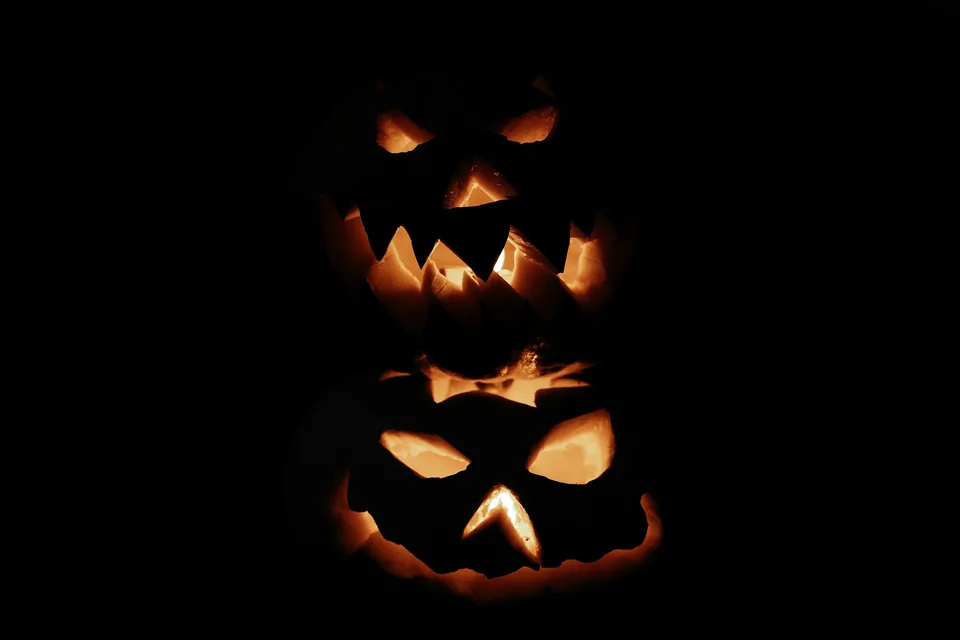
- Ksenia Yakovleva on Unsplash: carved Halloween pumpkins · Unsplash License. Seasonal stock photograph, not a Heron job.
Heron Cleaning: rate card 2026-11-11 and current service selections.